
Complete Guide to Vitiligo
If you have been diagnosed with vitiligo, you may have questions about the condition, its causes, symptoms, diagnosis and available treatment options. This guide provides an overview of vitiligo and ways to manage the condition with appropriate dermatological care.
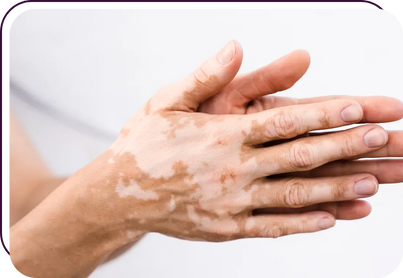
What Is Vitiligo?
Vitiligo is a skin condition that causes areas of the skin to lose pigmentation. It occurs when pigment-producing cells called melanocytes are destroyed or stop functioning. Depigmented patches can appear on different areas of the body and may also affect the hair, mouth or eyes.
What Causes Vitiligo?
The exact cause of vitiligo is not fully understood. Research indicates that autoimmune, genetic and environmental factors may contribute to its development.
What Are the Symptoms of Vitiligo?
The most common symptom is the appearance of patches of skin that have lost their pigment. These patches may be small or large and can occur on different parts of the body.
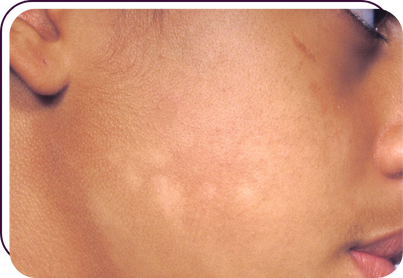
- Spots and patches of lighter skin.
- Patches that may become white.
- Lighter patches inside the mouth or nose.
- Depigmented areas that may be more sensitive to sun exposure.
- Itching in some affected areas.
- Hair becoming white or gray in affected areas.
- White eyelashes, eyebrows or sections of scalp hair.
- Hearing changes may occur in some people.

How Is Vitiligo Diagnosed?
A dermatologist can usually identify vitiligo by examining the skin and reviewing the patient's medical history. Depending on the presentation, additional tests may be recommended to rule out other conditions with similar symptoms.
What Are the Types of Vitiligo?
Vitiligo can be classified according to the distribution and pattern of depigmented areas. Different patterns may affect different parts of the body.

Main Types of Vitiligo
- Generalized vitiligo
- Segmental vitiligo
- Focal vitiligo
- Mucosal vitiligo
- Universal vitiligo
Other classifications may describe specific patterns, including acrofacial involvement, extensive depigmentation and combinations of different patterns.
At Lifero Skin and Hair Clinic, our dermatology team focuses on appropriate assessment, diagnosis and individualized management of vitiligo.
If you are concerned about changes in skin pigmentation, schedule a consultation with a dermatologist to discuss your symptoms and suitable treatment options.