
Complete Guide to Psoriasis
Welcome to Lifero Skin and Hair Clinic’s dedicated guide to psoriasis treatment and care. Psoriasis is a chronic skin condition that can affect the skin, scalp and other areas of the body. Our dermatology team provides personalized assessment and treatment planning based on your symptoms, severity and individual needs.
What Is Psoriasis?
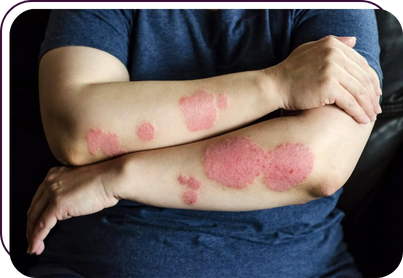
Psoriasis is a chronic immune-mediated skin condition that can cause red, inflamed patches with silvery scales. It commonly affects areas such as the scalp, elbows, knees and lower back, although it can occur elsewhere on the body. Psoriasis is not contagious, and the pattern and severity of flare-ups can vary from person to person.
Our Approach to Psoriasis Care
At Lifero Skin and Hair Clinic, we take a comprehensive, patient-centered approach to psoriasis management. The aim is to control symptoms, reduce the impact of flare-ups and support long-term skin health.
Consultation and Diagnosis
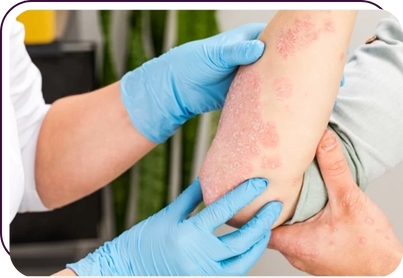
During your consultation, our dermatologists assess your skin and discuss your symptoms, medical history and possible triggers. This evaluation helps determine the type and severity of psoriasis and guides the selection of appropriate treatment options.
Customized Treatment Options
Depending on your diagnosis, symptoms, severity and treatment goals, a dermatologist may recommend one or more of the following approaches:
Topical Treatments
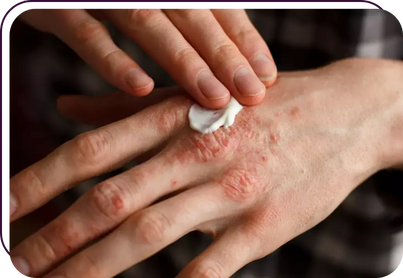
Topical medicines may include corticosteroids, vitamin D analogues, retinoids or other prescribed preparations. They are applied to affected areas to help reduce inflammation, scaling and other symptoms. The choice of treatment depends on the individual and the affected body area.
Phototherapy
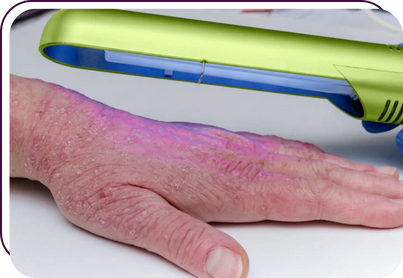
Phototherapy uses controlled ultraviolet light under medical supervision. Depending on the diagnosis and treatment plan, it may help reduce inflammation and slow excessive skin-cell growth. Suitability, frequency and duration are determined by the treating dermatologist.
Systemic Medications
For moderate to severe psoriasis, or when topical treatment and phototherapy are not sufficient, a dermatologist may consider oral or injectable medicines. These treatments affect immune pathways involved in psoriasis and require appropriate medical evaluation and monitoring.
Biologic Therapies
For selected patients with moderate to severe psoriasis, biologic medicines may be considered by a qualified dermatologist. These medicines target specific immune pathways involved in psoriasis and are prescribed after assessing medical history, severity and treatment suitability.
Ongoing Support and Care
Psoriasis often requires ongoing management. At Lifero Skin and Hair Clinic, your dermatologist can monitor your response to treatment, adjust the plan when appropriate and discuss ways to manage symptoms and potential triggers. Follow-up care is individualized according to your condition and treatment.
Schedule a Psoriasis Consultation
If you are experiencing persistent, itchy, scaly or inflamed skin patches and are concerned about psoriasis, consider consulting a qualified dermatologist for an appropriate evaluation. Contact Lifero Skin and Hair Clinic to discuss your symptoms and treatment options.