
Skin Tone Care at Lifero Skin and Hair Clinic
At Lifero Skin and Hair Clinic, we understand that an even, healthy-looking skin tone is an important concern for many people. Uneven pigmentation can be associated with sun exposure, hormonal changes, acne-related inflammation and other skin conditions. Our approach focuses on understanding the cause of pigmentation and selecting suitable skincare or professional treatment options for your skin.
Common Skin Tone Concerns
Hyperpigmentation
Hyperpigmentation refers to darker patches or spots caused by increased melanin production. It may be associated with sun exposure, hormonal changes, acne-related inflammation or certain medical conditions. Identifying the underlying cause helps guide appropriate management.
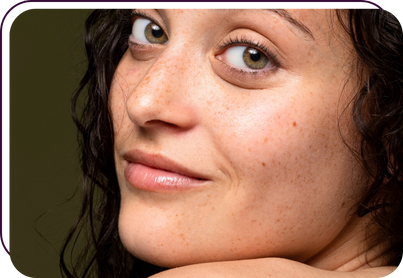
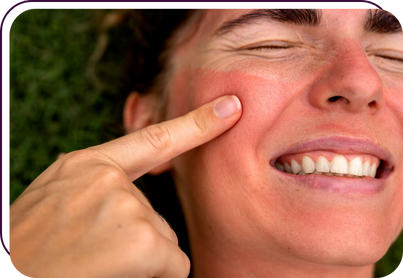
Sun Damage
Prolonged sun exposure can contribute to sunspots, freckles and uneven pigmentation. Ultraviolet radiation can stimulate melanin production, making consistent sun protection an important part of pigmentation care.
Post-Inflammatory Hyperpigmentation (PIH)
Post-inflammatory hyperpigmentation can develop after inflammation or injury to the skin, including acne breakouts, burns or cuts. The affected area may remain darker after the original inflammation has settled.
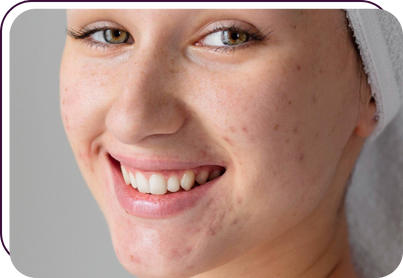
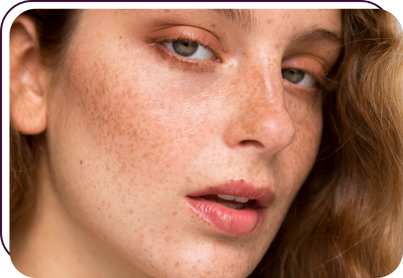
Melasma
Melasma is a common pigmentation condition that can cause brown or gray-brown patches, often on the face. Hormonal changes and sun exposure can contribute to melasma, and management may require ongoing skincare and professional guidance.
Our Approach to Skin Tone Concerns

Advanced Treatment Options
Depending on the cause and skin type, professionally selected options may include chemical peels, laser-based treatments, microdermabrasion and other skin-rejuvenation approaches.

Customized Treatment Plans
Our skin care professionals can assess your skin type, pigmentation pattern and goals to help develop a treatment and skincare plan suited to your individual needs.

Medical-Grade Skincare
When appropriate, professionally recommended skincare may include ingredients such as retinoids, vitamin C or alpha hydroxy acids. Prescription ingredients should be used only under appropriate professional guidance.

Sun Protection
Sun protection is an important part of pigmentation management. Broad-spectrum sunscreen and other sun-protective measures can help reduce additional UV-related pigmentation and support long-term skin care.
Frequently Asked Questions
Uneven skin tone can be associated with sun exposure, acne scars, hormonal changes and inflammation. It may appear as dark spots, redness or blotchy pigmentation.
Consistent sun protection, appropriate skincare, hydration and a balanced lifestyle can support healthier-looking, more even skin. Persistent pigmentation should be assessed by a qualified professional.
Depending on the cause and skin type, options may include chemical peels, laser-based treatments, microdermabrasion and other professionally selected pigmentation or skin-rejuvenation treatments.
No. Skin tone correction generally focuses on reducing uneven pigmentation and improving complexion uniformity rather than changing a person's natural skin color.
The timeframe varies according to the cause of pigmentation, treatment approach, skin type and consistency with aftercare. A personalized assessment is needed to estimate the expected course.