Complete Guide to Rosacea
Welcome to Lifero Skin and Hair Clinic’s page dedicated to rosacea, a common chronic skin condition that can cause facial redness and other visible skin changes. At Lifero, we focus on individualized dermatology care based on your symptoms, triggers, skin sensitivity, and treatment needs.
What Is Rosacea?
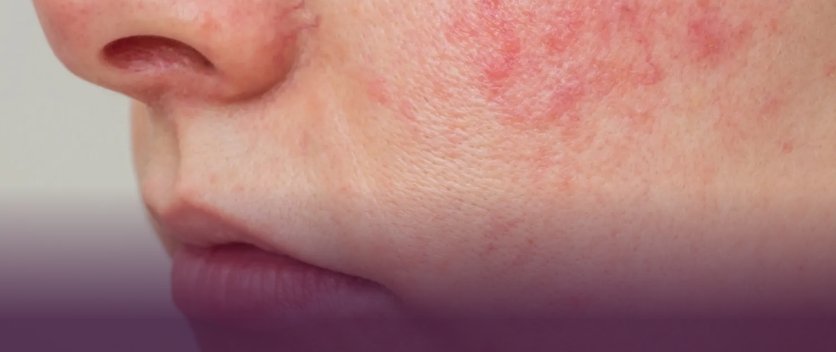
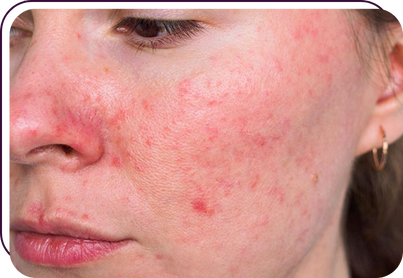
Rosacea is a chronic skin condition characterized by facial redness, visible blood vessels, and sometimes small red bumps or pustules. It typically affects the central part of the face, including the cheeks, nose, forehead, and chin. Symptoms can vary in severity and may involve periods of flare-ups and remission.
Our Approach to Rosacea Care
At Lifero Skin and Hair Clinic, we take an individualized approach to rosacea management. Our dermatology team can assess your symptoms, possible triggers, lifestyle factors, and skin-care needs to develop a treatment plan suited to your condition.
Consultation and Diagnosis
During your initial consultation, our dermatologists assess your skin and discuss your medical history, lifestyle factors, symptoms, and specific concerns. This evaluation helps identify features consistent with rosacea and potential factors that may contribute to flare-ups.
Customized Treatment Options
Depending on your symptoms, diagnosis, treatment goals, and clinical assessment, rosacea management may include topical or oral medications, laser or light-based procedures, and a gentle skin-care routine.
Topical Medications
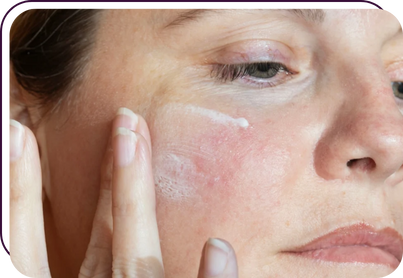
Depending on the clinical presentation, dermatologists may prescribe topical treatments such as metronidazole, azelaic acid, or brimonidine to help manage redness, inflammation, or other rosacea symptoms.
Laser and Light Therapies
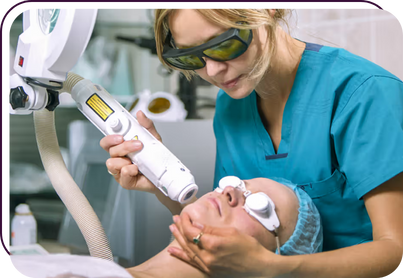
Selected laser and light-based treatments may be considered for visible blood vessels and persistent redness. Suitability depends on the individual skin condition and clinical assessment.
Oral Medications
For some patients, oral medications may be recommended to help manage more significant rosacea symptoms. The choice of medication depends on the clinical presentation and dermatologist’s assessment.
Skincare Recommendations
A gentle skin-care routine can be an important part of rosacea management. Your dermatologist may recommend a mild cleanser, moisturizer, and broad-spectrum sunscreen, along with product choices suited to sensitive skin.
Ongoing Support and Care
At Lifero Skin and Hair Clinic, we provide follow-up care to monitor your progress and adjust your treatment plan when appropriate. We also provide guidance to help you understand your skin-care routine and manage factors that may contribute to flare-ups.
Schedule a Consultation
If you are experiencing persistent facial redness or other symptoms associated with rosacea, consider consulting a dermatologist for an individualized assessment. Contact Lifero Skin and Hair Clinic to discuss your concerns and explore suitable treatment options.
Frequently Asked Questions About Rosacea
Rosacea is a chronic skin condition that can cause facial redness, visible blood vessels, and sometimes small red bumps or pustules. It commonly affects the central face and may have periods of flare-ups and remission.
The exact cause of rosacea is not fully understood. Triggers and contributing factors can differ between individuals, so a dermatology consultation can help assess the pattern of symptoms and possible triggers.
Rosacea is not considered contagious and does not spread from person to person through ordinary contact.
Rosacea can often be managed with an individualized treatment plan. Depending on symptoms, options may include topical medications, oral medications, laser or light-based therapies, and a gentle skin-care routine.
A gentle routine may include a mild cleanser, moisturizer, and broad-spectrum sunscreen. A dermatologist can recommend products and routines suited to individual skin sensitivity and symptoms.